Sissoo
सिसौ
Dalbergia sissoo
Sissoo · Sisau · Shisham · सिसौ
Brown heartwood can show dark streaks beside pale sapwood. Match neighbouring faces in daylight before cutting.
Compare woodsApplications and advantages
Cabinet fronts and furniture make use of the contrasting figure. Selecting adjacent boards can give a more coherent tabletop.
Machining, seasoning and finishing
Trial-plane boards with changing grain direction and test a clear finish on an offcut. Agree the final moisture condition before assembly.
Durability, moisture and termite exposure
Heartwood and sapwood behave differently. Ask specifically about insect damage, wet exposure and which part of the board will be used.
Hardness and density
ICFRE describes Sissoo as hard and reports an air-dry specific gravity range of 0.63–0.83. Specific gravity is dimensionless. The range describes reference material, not a seller’s grade.
Buying and maintaining this wood
View several boards together and agree on acceptable colour and visible features. Keep finished wood clean with a soft cloth. Wipe spills promptly, avoid standing water and harsh cleaners, and follow the chosen finish manufacturer’s care instructions. Discuss exterior exposure, pests and any treatment needs with a qualified professional; no treatment or durability rating is implied here.
Licensed reference photograph
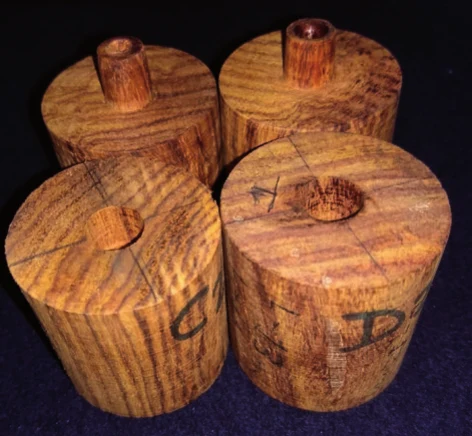
Kumar, Shukla & Shukla / CIRAD (Photo 2) · CC BY 4.0 · Extracted from the publication and converted to WebP
Understanding Natural Wood Characteristics
Pale edges or streaks can be visual choices. Lifted fibres, loose knots, holes and concealed splits need checking on both faces and ends.
Appearance features
Colour and grain vary, including between heartwood and sapwood. Natural pores are part of the wood’s anatomy. Sound knots, gum or resin pockets can affect appearance, adhesion or finish. Acceptability depends on location, condition and intended use.
Defects that need inspection
Distinguish shallow surface checks from deeper splits. Inspect twist, bow, insect holes and cavities. Fresh boring dust or soft, crumbling wood warrants assessment. Internal decay may be hidden. Have a qualified person assess any suspect load-bearing piece.
These illustrations support inspection conversations. A picture cannot establish structural suitability.
See the licensed knot photograph
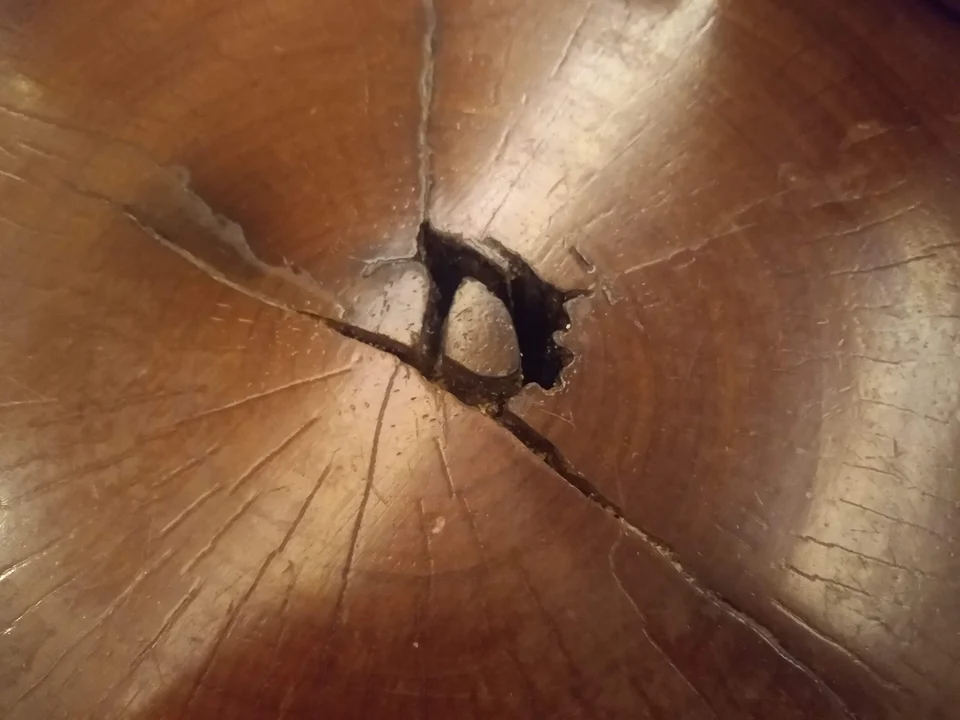
Mauro Cateb · CC BY-SA 4.0 · Resized and converted to WebP

Alternatives and next steps
Compare for your use and board condition before substituting. Staff should confirm local names, current stock identity and any grading or treatment claims.
- Sissoo Grade A
- Sissoo Grade B
- Haldu
- Explore relevant catalog options
- Choosing boards for furniture
- CFT calculator
- Discuss this wood